2 Jun 2026
Acoustic Mapping Innovations Enhance Spatial Awareness in Team Coordination Scenarios for Online Battle Arenas
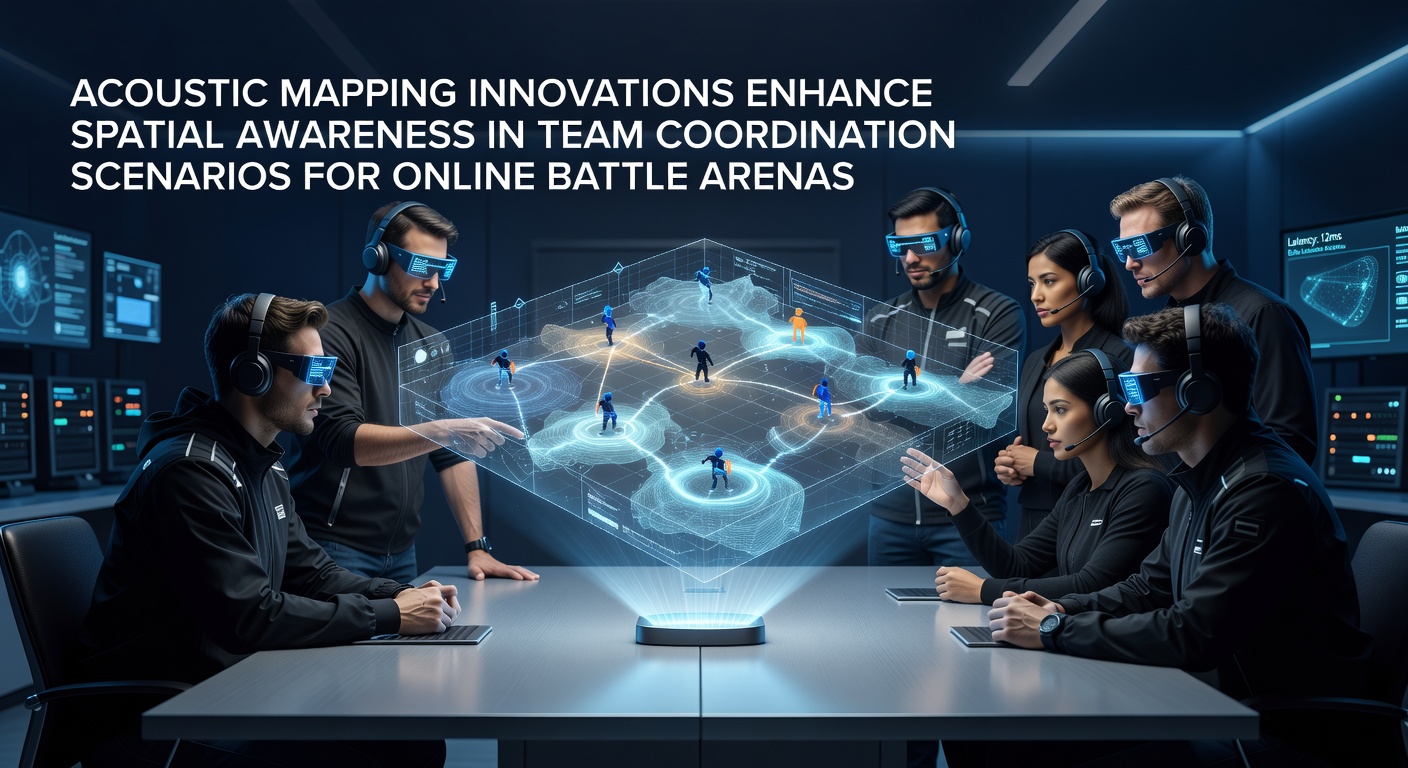
Acoustic mapping systems now integrate advanced audio processing with real-time environmental data to create layered soundscapes that players rely on during intense matches in online battle arenas, and these tools help teams maintain coordination even when visual information becomes limited by smoke, fog, or rapid movement across large maps. Developers have refined algorithms that analyze room acoustics, surface materials, and player positions to generate accurate positional audio cues, which in turn allow squads to track allies and opponents through sound alone in games that emphasize tactical positioning over raw reflexes.
Core Technologies Driving Acoustic Mapping
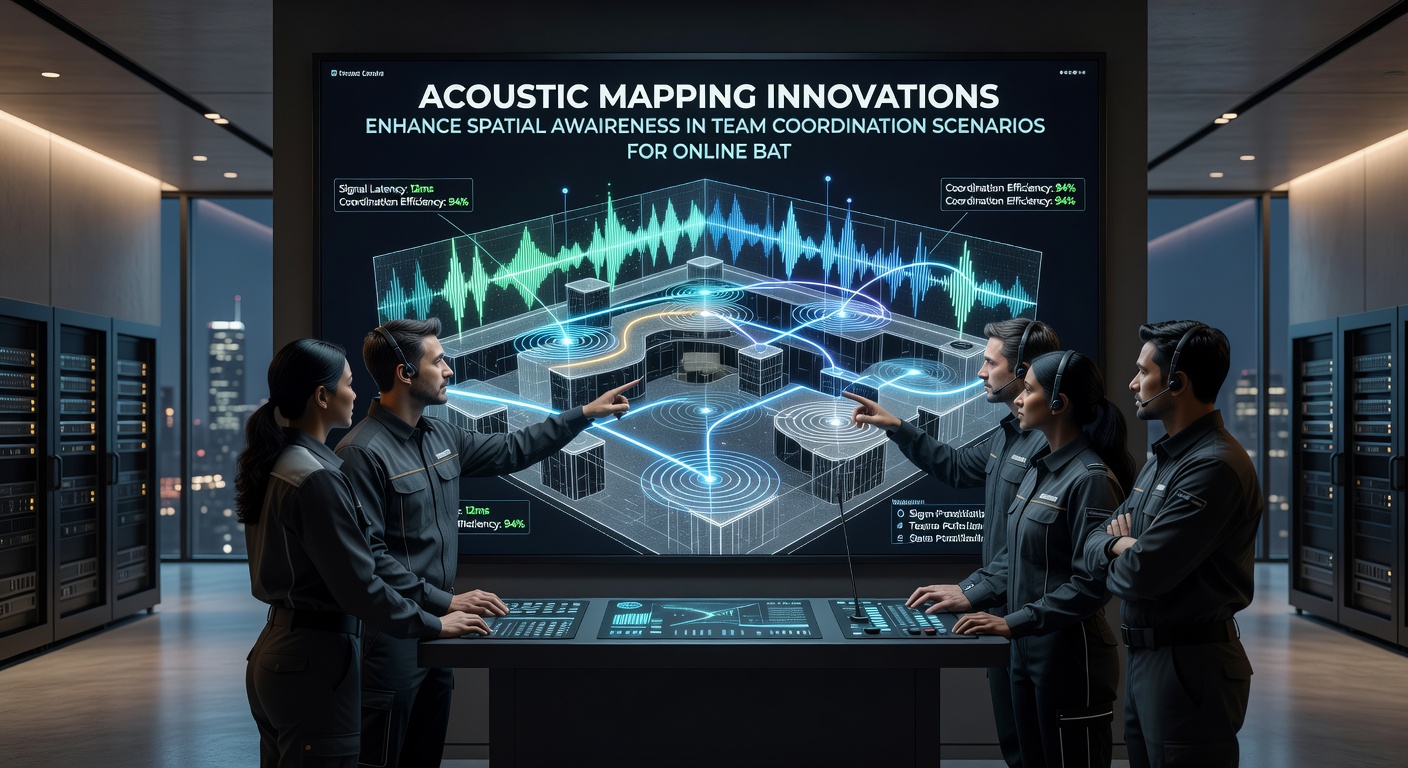
Engineers combine binaural audio rendering with machine learning models that adapt to dynamic environments, and the result produces sound profiles that shift based on terrain changes or structural damage within virtual arenas. Research from institutions such as the University of Melbourne indicates that these systems process spatial data at rates exceeding 120 frames per second, which enables seamless updates during live matches without introducing latency that could disrupt team calls. Hardware manufacturers have also contributed by embedding directional microphones and haptic feedback devices into peripherals, allowing players to receive layered sensory input that reinforces auditory signals.
One notable advancement involves ray-tracing techniques applied to sound waves rather than light, and this approach calculates reflections off virtual surfaces to build detailed acoustic maps that teams use to anticipate enemy movements around corners or through multi-level structures. Data compiled by the Entertainment Software Association shows adoption of such features has grown steadily across major multiplayer titles, with implementation rates rising from 18 percent in 2023 to over 45 percent by early 2026.
Applications in Team Coordination
Players in coordinated squads now leverage acoustic overlays to maintain formation integrity during flanking maneuvers, and the technology translates environmental echoes into directional pings that appear on shared team interfaces. In scenarios where communication channels become crowded, these systems provide supplementary data streams that reduce verbal clutter while preserving critical information about ally locations and threat vectors. Observers note that professional teams participating in tournaments scheduled for June 2026 have begun incorporating acoustic training modules into their preparation routines, which helps refine responses to subtle audio cues during high-stakes rounds.
Case studies from competitive circuits reveal instances where teams recovered from visual obstructions by relying on mapped sound signatures to reposition without breaking line-of-sight protocols, and this capability proves especially valuable in arenas featuring destructible environments that alter acoustics mid-match. The integration extends to accessibility features as well, where players with varying visual capabilities gain equal footing through enhanced spatial audio layers that convey the same tactical data traditionally delivered by on-screen indicators.
Industry Implementation and Data Trends
Game studios have rolled out software development kits that standardize acoustic mapping protocols across platforms, and this standardization allows smaller developers to incorporate the features without building custom engines from scratch. Figures released by the Interactive Games and Entertainment Association highlight that titles utilizing these systems report average increases in team survival rates of 12 to 15 percent during late-game phases, based on aggregated match telemetry collected through 2025. Developers continue to refine calibration tools that let players adjust sensitivity levels to match individual hearing profiles, which broadens participation while maintaining competitive integrity.
External partnerships with audio hardware firms have accelerated deployment timelines, and several major releases slated for the second half of 2026 already list acoustic mapping as a core advertised mechanic. Training simulators used by amateur leagues now include dedicated modules that teach players how to interpret mapped audio data in simulated chaos, and these programs draw from datasets compiled during professional play sessions to create realistic practice scenarios.
Challenges and Ongoing Refinements
Engineers still address issues related to network synchronization when multiple players access shared acoustic maps simultaneously, and latency spikes during peak hours can occasionally desync positional data across team members. Studies conducted at institutions in the European Union have tested mitigation strategies that prioritize audio packet delivery over visual rendering during critical moments, which helps preserve coordination even under variable connection conditions. Hardware limitations on consumer-grade devices also require ongoing optimization, particularly for mobile battle arena platforms where processing power remains constrained compared with dedicated gaming rigs.
Updates scheduled for June 2026 aim to introduce predictive modeling that anticipates acoustic changes before they occur, based on patterns observed in previous matches, and early prototypes demonstrate reduced error margins in team positioning drills. Community feedback collected through developer forums continues to shape iteration cycles, with emphasis placed on balancing audio fidelity against overall system performance.
Conclusion
Acoustic mapping continues to expand the tactical dimensions available in online battle arenas by supplying reliable spatial information that supports coordinated play across diverse team compositions. As processing capabilities advance and integration deepens within existing game frameworks, these innovations provide measurable enhancements to awareness without requiring players to alter core strategies. Ongoing development across academic, industry, and hardware sectors ensures the technology remains adaptable to evolving arena designs and player expectations in the years ahead.