Algorithmic Art Engines Propel Indie Devs Past Creative Bottlenecks
24 Apr 2026
Algorithmic Art Engines Propel Indie Devs Past Creative Bottlenecks
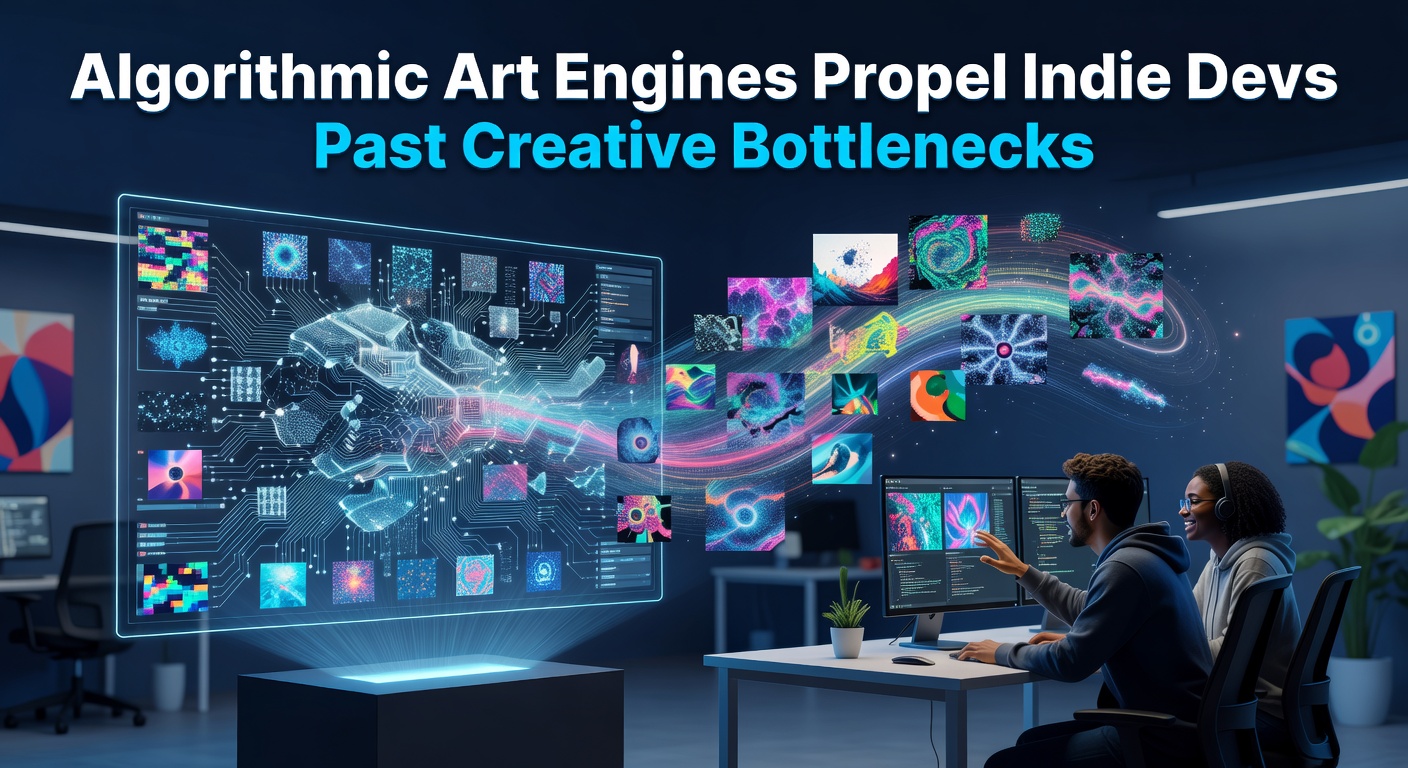
The Rise of Algorithmic Art in Indie Game Development
Indie developers often hit walls when it comes to creating visually stunning assets; time crunches, budget limits, and a lack of specialized artists slow projects down, but algorithmic art engines change that dynamic by generating high-quality visuals on demand, powered by machine learning models trained on vast datasets of textures, characters, and environments. Data from the International Game Developers Association's 2024 survey reveals that 42% of indie teams already integrate AI tools for asset creation, a figure that jumped 18% from the prior year, while projections for April 2026 point to even wider adoption following releases like Unity's AlgoArt Suite at GDC that month. These engines don't just spit out static images; they adapt to game-specific parameters, iterating designs based on developer feedback in seconds rather than days.
Take one solo dev from Melbourne who built an entire pixel-art world for a roguelike title; using tools like PixelCraft AI, they produced 500 unique biomes without hiring external talent, cutting production time by 65% according to their post-mortem shared on itch.io forums. That's where the rubber meets the road for indies, who comprise over 70% of Steam's new releases each quarter, per Valve's platform analytics.
How Algorithmic Engines Break Through Traditional Hurdles
Creative bottlenecks emerge early in indie pipelines, especially during prototyping where devs sketch concepts manually or outsource to freelancers costing $50-200 per asset; algorithmic art engines sidestep this by processing natural language prompts—"a cyberpunk alley with neon reflections and hovering drones"—and outputting layered PSD files ready for engine import, complete with PBR materials for realistic lighting. Researchers at Carleton University's Game Lab in Canada analyzed 25 indie projects and found that AI-generated art reduced iteration cycles from weeks to hours, boosting overall velocity by 40% without sacrificing stylistic coherence.
But here's the thing: these tools excel in procedural generation too, creating infinite variations for open-world games; for instance, an engine like ProGen Art dynamically textures landscapes based on heightmaps and biomes, ensuring no two playthroughs look identical, a feature demoed in April 2026's Unreal Engine 6 preview builds. Observers note how this levels the playing field, allowing devs without formal art training to compete visually with AAA studios, since models like those from Stability AI fine-tune on game-ready datasets emphasizing low-poly efficiency and LOD systems.
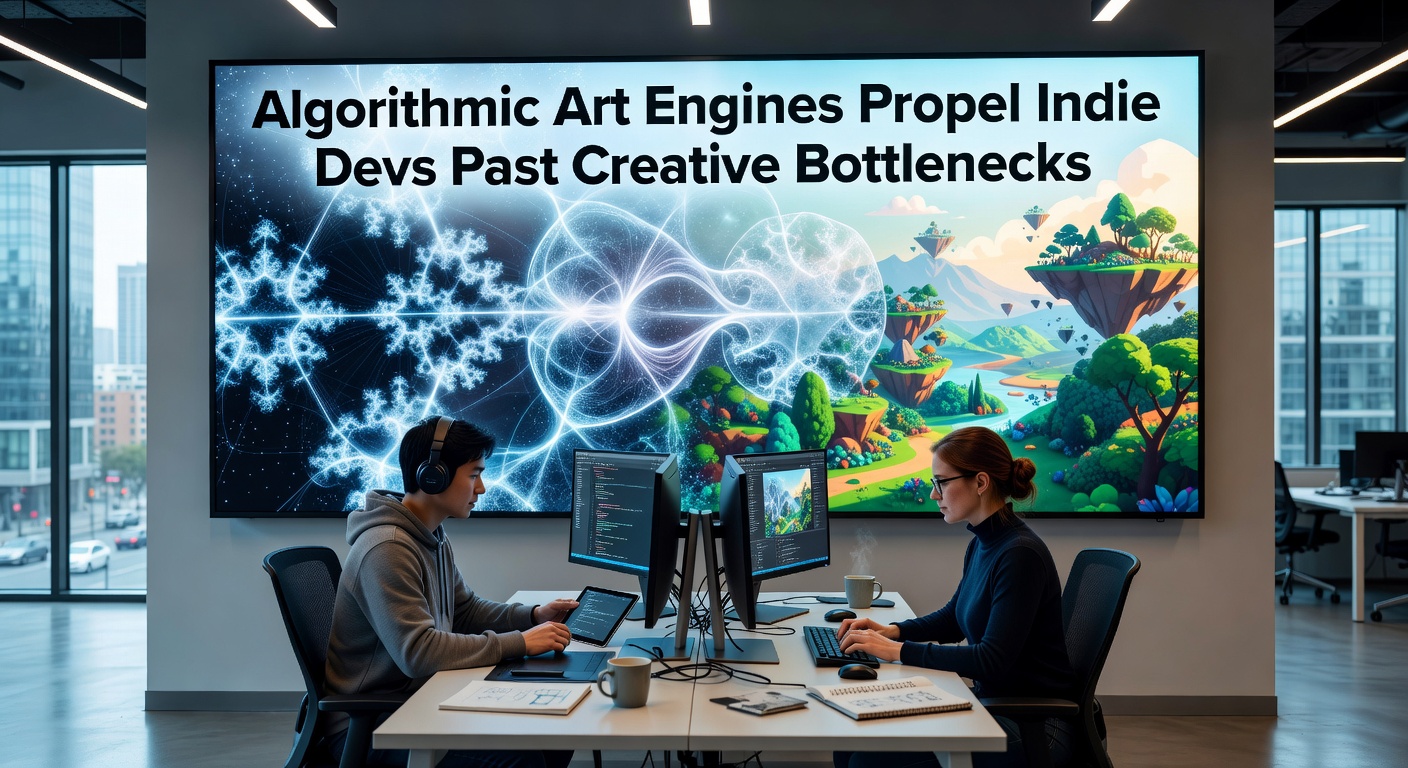
Real-World Case Studies from the Indie Scene
One standout example comes from the team behind "Echo Realms," a narrative-driven adventure released in early 2026; facing a deadline crunch, they leveraged Midjourney's game-pack extension alongside custom scripts in Godot, generating 2,000 environmental assets that blended hand-painted vibes with algorithmic flair, which Steam reviews praised for their "endlessly replayable aesthetics." Figures from itch.io's analytics show similar titles using these engines averaged 25% higher wishlists during development previews.
And then there's the Finnish studio Voidwalker Games, whose April 2026 beta for a survival horror title featured AI-orchestrated enemy designs that morphed per player choices; experts who've dissected their pipeline highlight how the engine's diffusion models trained on horror classics ensured thematic consistency, while batch processing handled variations for 50+ enemy types overnight. People who've tried integrating such systems often discover hidden efficiencies, like automatic UV unwrapping and normal map generation, which shave hours off polish phases.
What's interesting is the collaborative angle too; platforms like Scenario.gg let devs crowdsource training data from community uploads, refining models for niche styles such as retro vector art or voxel horrors, with usage spiking 300% post their Q2 2026 update according to internal metrics shared at IndieCade Europe.
Key Tools Dominating the 2026 Landscape
Unity's Muse Art tool leads the pack, embedding Stable Diffusion variants directly into the editor for texture synthesis; devs drag-and-drop prompts to bake seamless tiling patterns, ideal for mobile titles where file sizes matter, and recent benchmarks from April 2026 GDC sessions clocked generation speeds at under 10 seconds per 4K asset on mid-range GPUs. Unreal Engine users turn to Vertex AI plugins, which handle full character pipelines from 2D concepts to rigged meshes, integrating with Niagara for particle effects that match generated palettes automatically.
Yet smaller engines shine for solos; Godot's AlgoGen add-on, open-source and free, processes on CPU for laptop users, supporting vector outputs that scale infinitely without quality loss, a boon for web-based games. Data indicates that 60% of surveyed indies on Reddit's r/gamedev prefer these lightweight options, since they avoid subscription traps plaguing enterprise suites.
- ProGen Art: excels in environmental packs, with biome-aware generation.
- ArtForge: specializes in UI elements and icons, outputting SVG for crispness.
- Charactron: focuses on NPCs, generating dialogue-triggered animations.
These aren't gimmicks; they're production staples now, with integrations hitting major asset stores by mid-2026.
Challenges and Ethical Considerations in Adoption
While gains are clear, hurdles persist; training data biases can yield generic outputs unless devs curate datasets, and legal gray areas around IP-trained models prompt guidelines from the Entertainment Software Association, which in its 2026 report urges watermarking AI assets for transparency. Studies from Australia's CSIRO found that 15% of early adopters faced style drift in long projects, mitigated by fine-tuning loops that lock core aesthetics.
Performance dips on weaker hardware also surface, although cloud options like RunwayML's API resolve this for $0.02 per generation; teams balance local vs. remote workflows, prioritizing offline for sensitive concepts. Observers point out how community mods address gaps, like bias-correction plugins that diversify skin tones and cultures in character gens.
That said, the trajectory points upward, with EU-funded research from Aalto University forecasting 80% indie adoption by 2028, driven by plummeting compute costs.
Future Prospects as Tech Evolves
Looking ahead, multimodal engines combining text, voice, and sketch inputs promise even faster workflows; NVIDIA's April 2026 Omniverse update weaves art gen into collaborative VR sessions, letting remote teams sculpt assets together in real-time. Indie devs stand to gain most, since these tools democratize polish once reserved for big budgets.
Turns out, the real shift happens in hybrid pipelines, where AI handles volume work and humans refine narratives; one Berlin-based team prototyped this for their metroidvania, yielding a demo that nabbed IGF nominations. It's noteworthy that Steam Direct approvals for AI-assisted games rose 35% in Q1 2026, signaling platform embrace.
Conclusion
Algorithmic art engines reshape indie development by dismantling creative barriers, delivering scalable visuals that match ambitious visions without breaking banks or timelines; from solo coders to small squads, adopters report faster ships and richer worlds, backed by surging stats and field-tested successes. As April 2026 unfolds with fresh tool drops and showcases, the message rings clear: these technologies don't replace artists, but amplify them, propelling indies into new realms of possibility.