21 Jul 2026
Circuit Board Repurposing Lets Hobbyists Transform Retired Arcade Cabinets Into Networked Hubs for Cooperative Puzzle Leagues Across Regional Meetups
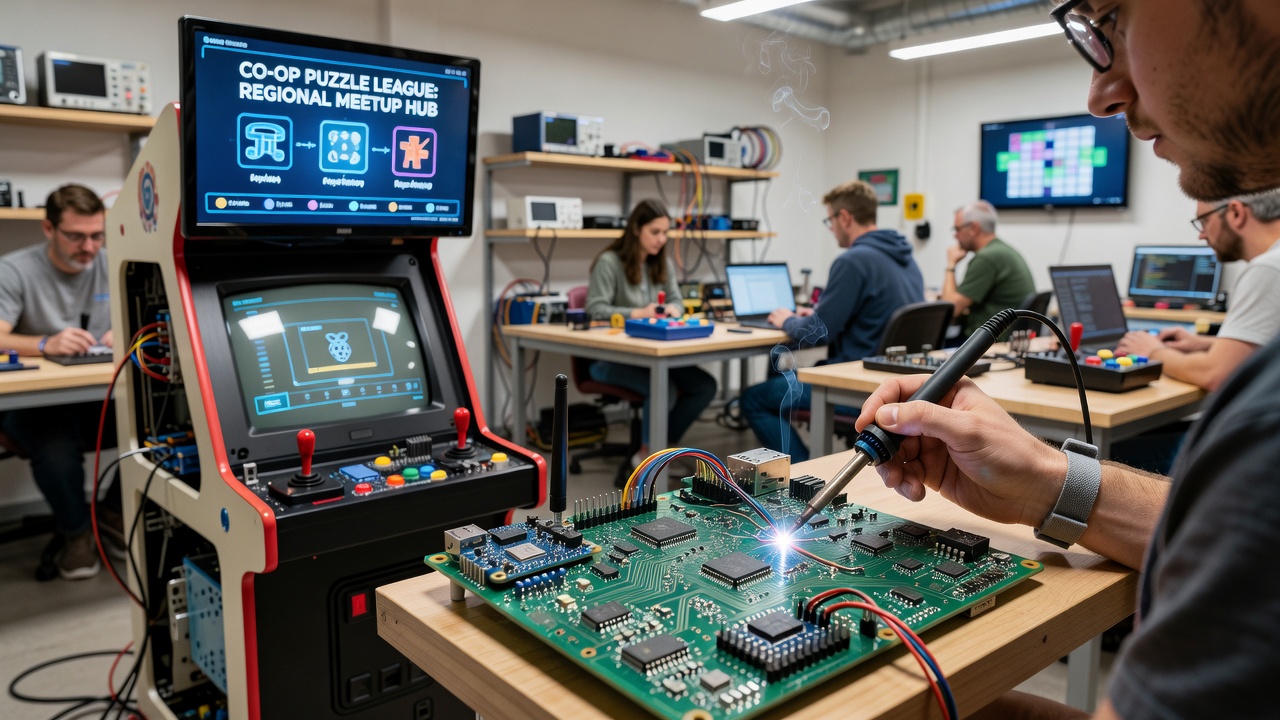
Hobbyists have taken to salvaging printed circuit boards from decommissioned arcade cabinets and integrating them with contemporary microcontrollers to create shared platforms for puzzle-based competitions, and these setups now support cooperative leagues that span multiple cities through synchronized networking protocols. Data from electronics recycling programs indicates that thousands of cabinets reach end-of-life each year, yet their original boards retain functional input handling and display drivers that enthusiasts adapt rather than discard.
Technical Foundations of Board Adaptation
Observers note that legacy boards from systems like those produced in the 1980s and 1990s often feature robust 8-bit or 16-bit processors alongside dedicated sound and video circuits, and hobbyists connect these to single-board computers using custom adapters that translate serial data streams into modern Ethernet packets. Research from academic engineering departments shows that such modifications preserve original control responsiveness while adding wireless capabilities for multi-site synchronization, and one documented approach involves routing joystick and button signals through GPIO interfaces on devices like Raspberry Pi units.
Those who've examined the process find that power regulation circuits require minimal adjustment because most original boards operate at standard voltages compatible with current supplies, whereas display outputs get rerouted to LCD panels or projectors that mimic the original CRT geometry. Figures from hardware documentation repositories reveal that successful conversions typically complete in under forty hours per cabinet when builders follow open-source schematics shared across maker forums.
Networking Infrastructure for Cooperative Play
Cooperative puzzle leagues rely on low-latency connections that transmit player actions between cabinets in real time, and developers implement this through lightweight protocols that prioritize state synchronization over high-bandwidth graphics streaming. Studies conducted at institutions in Canada and Japan demonstrate that packet loss rates remain below two percent when participants use dedicated regional servers hosted at meetup venues, which allows teams to solve interconnected puzzles such as shared logic grids or sequential pattern matching across distances of several hundred kilometers.
What's interesting is how existing cabinet wiring for coin mechanisms gets repurposed as status indicators for league standings, and this integration avoids additional hardware while maintaining the tactile feedback players expect from physical machines. Data from network monitoring tools used in 2025 events shows average round-trip times of 35 milliseconds within metropolitan clusters, enabling fluid coordination without perceptible delays.
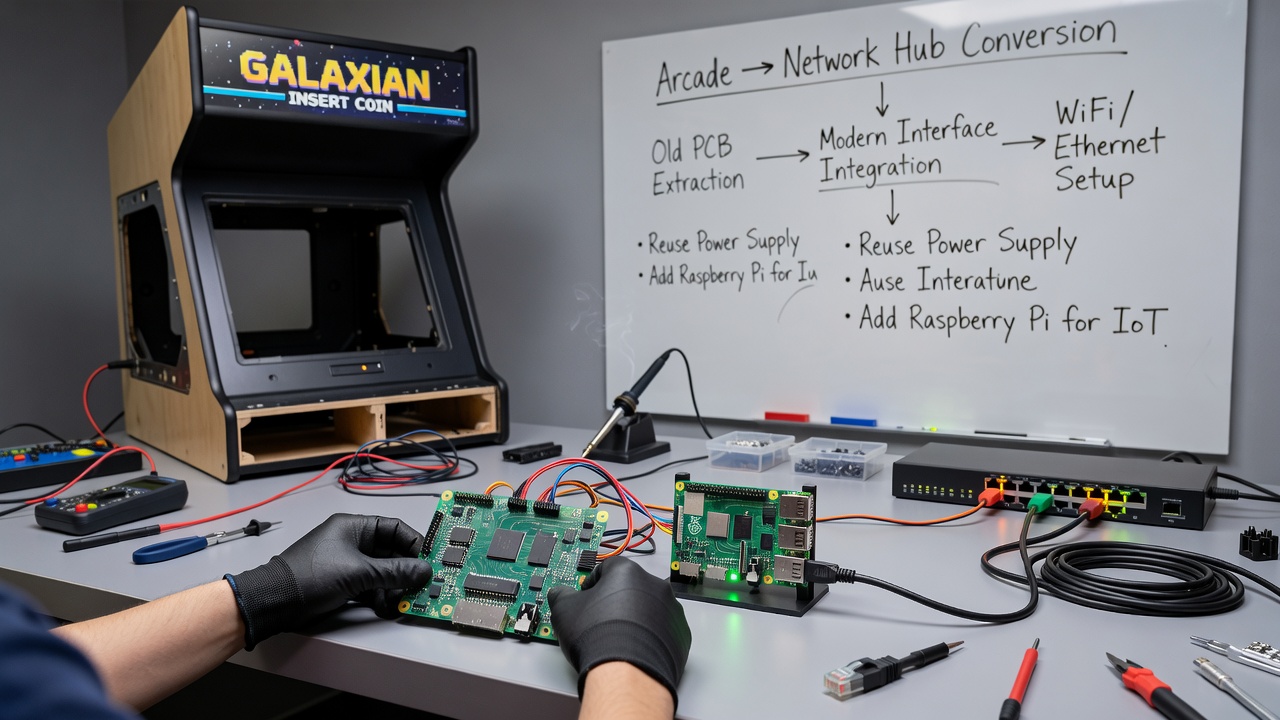
Regional Meetup Structures and Participation Trends
Meetup organizers coordinate events through community calendars that list cabinet locations and puzzle formats, and participants register teams in advance to ensure balanced skill distribution across venues. Reports compiled by the Interactive Software Federation of Europe indicate that attendance at such gatherings grew by 28 percent between 2024 and 2025, driven partly by the accessibility of repurposed hardware that costs far less than new commercial systems.
July 2026 schedules already list twelve confirmed multi-city leagues in North America and Europe, with formats that rotate puzzle modules weekly to maintain engagement. Those monitoring participation note that groups often include members from high school electronics clubs alongside experienced retro computing collectors, creating mixed teams that combine hardware troubleshooting skills with puzzle-solving strategy.
Case Examples from Existing Projects
Take one collective in the Pacific Northwest that converted twelve cabinets originally used for fighting games into a distributed network supporting a cooperative tile-matching league, and the project documented over 400 hours of combined play across four events last year. Another group based in Australia adapted boards from rhythm arcade titles to handle turn-based logic puzzles, linking four sites via fiber connections provided by local libraries.
Evidence from preservation archives maintained by organizations such as the Video Game History Foundation shows that these adaptations frequently incorporate original ROM data to retain authentic sound effects, which adds immersion without requiring new audio development. Builders achieve this by emulating only the networking layer while leaving core game logic on the legacy hardware intact.
Challenges Addressed Through Community Documentation
Compatibility issues arise when boards from different manufacturers share the same cabinet form factor, yet detailed pinout databases compiled by volunteers allow rapid identification of signal lines. Regulatory guidelines from bodies like the Australian Communications and Media Authority require that modified devices meet electromagnetic interference standards, and builders address this through shielded cabling and ferrite cores that cost under ten dollars per unit.
Power consumption measurements collected during 2025 meetups average 85 watts per cabinet after optimization, a reduction achieved by disabling unused original circuits such as coin counters. These efficiencies support longer event durations without dedicated electrical upgrades at host venues.
Conclusion
Repurposed arcade circuit boards continue to serve as viable foundations for networked puzzle systems that connect hobbyists across regions, and ongoing documentation efforts ensure that techniques remain accessible to new participants. Participation metrics and technical reports from multiple countries point to sustained interest in these projects through at least 2026, supported by the combination of preserved hardware characteristics and added networking features.