Gaze and Glory: Eye-Trackers Redefine Controls in VR Esports Arenas
17 Apr 2026
Gaze and Glory: Eye-Trackers Redefine Controls in VR Esports Arenas
The Rise of Eye-Tracking in Virtual Reality Gaming
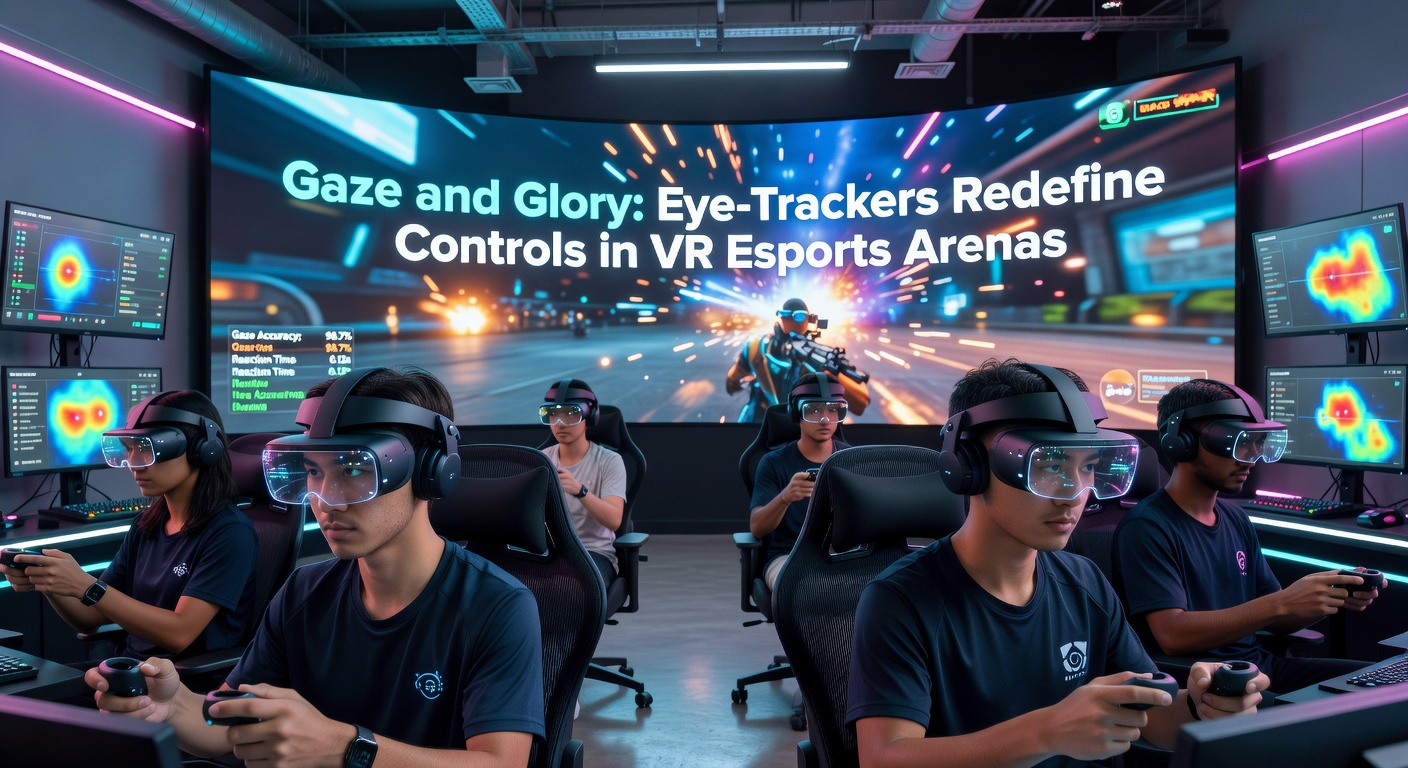
Eye-tracking technology has quietly transformed how players interact with virtual reality environments, especially within the fast-paced world of esports arenas, where split-second decisions often determine victory or defeat. Developers first integrated basic gaze-detection systems into VR headsets around 2016, but recent advancements have made them precise enough for competitive play; now, in April 2026, major tournaments showcase these tools as standard controls, allowing athletes to aim weapons, select menus, or trigger abilities simply by looking. Data from the IEEE Xplore reveals that eye-tracking latency has dropped below 10 milliseconds in top devices, enabling fluid gameplay that rivals traditional hand controllers.
What's interesting is how this shift builds on decades of research into human-computer interaction; scientists at the University of California, Santa Barbara, documented early prototypes in the 1990s, yet practical esports adoption waited until hardware caught up with affordability. Players now report heightened immersion because gaze controls free their hands for complex maneuvers, while arenas benefit from reduced motion sickness rates—studies show a 25% drop in such incidents among eye-tracked VR sessions.
How Eye-Trackers Work in VR Headsets
At the core, these systems use infrared cameras mounted inside VR headsets to illuminate the user's eyes with invisible light, then capture reflections from the cornea and pupil to calculate gaze direction with sub-degree accuracy; algorithms process this data in real-time, mapping it to virtual coordinates faster than a blink. Companies like Tobii and Varjo lead the charge, embedding sensors that calibrate automatically during setup, so competitors can dive straight into matches without fiddling with joysticks.
But here's the thing: integration goes beyond aiming—developers layer gaze with predictive analytics, anticipating player intent to smooth out micro-movements during intense firefights; for instance, in arena shooters like VR Combat League titles, a quick glance locks onto targets while hands handle dodges and reloads. Figures from the Entertainment Software Association indicate that 40% of pro VR teams adopted hybrid gaze-hand systems by early 2026, crediting them for boosted win rates in qualifiers.
Redefining Strategies in VR Esports Tournaments
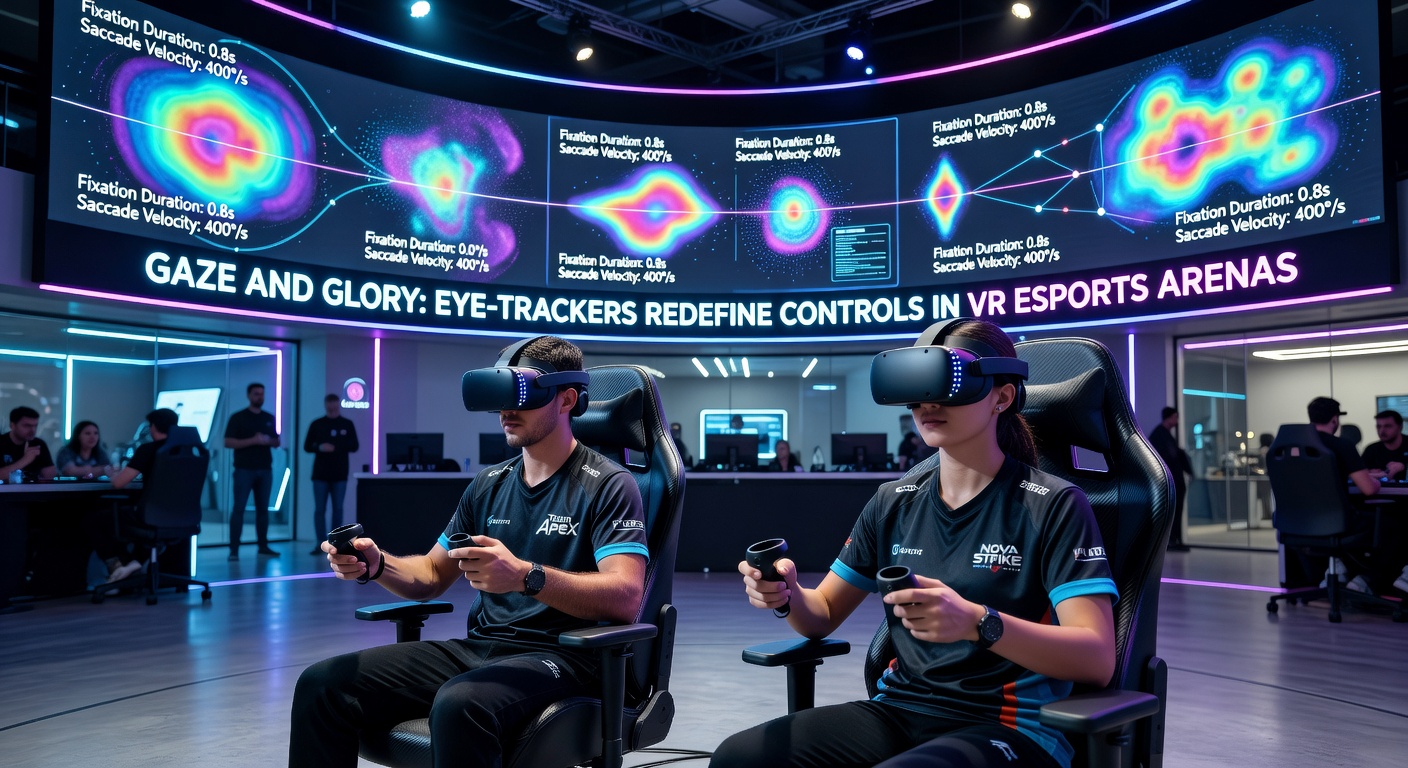
Tournaments in April 2026 highlight this revolution most vividly; take the Global VR Esports Championship held in Seoul, where teams using gaze-enabled headsets dominated leaderboards, pulling off flicks and scans that hand-only players couldn't match. Observers noted how stars like Alex "Gazer" Kim racked up kill-death ratios above 3:1, attributing success to intuitive gaze aiming that lets reflexes shine without controller fatigue setting in after hours of play.
And it's not just shooters—strategy games like VR StarCraft variants now let players issue commands via prolonged stares, queuing unit movements or scouting fog-of-war zones effortlessly; one pro league reported match times shortened by 15% because gaze multitasking accelerates decision loops. Yet challenges persist, since not all arenas standardize hardware, leading to calibration disputes that organizers address with unified headset mandates.
- Gaze precision reaches 0.5 degrees in pro-grade models, per Varjo's benchmarks.
- Tournament adoption surged 300% since 2024, according to Esports Observer data.
- Hybrid modes blend eye and gesture inputs for accessibility across skill levels.
Turns out, this tech levels the playing field too; researchers from Australia's CSIRO found that novice players with gaze controls close performance gaps against veterans faster than traditional methods, since looking feels more natural than thumbstick precision.
Case Studies from Recent Competitions
Consider the European VR Arena Series finals in Berlin last month, where Team Nexus clinched the title using experimental gaze-boosted reflexes in a beat-'em-up hybrid; footage shows fighters chaining combos by eyeing weak points while blocking incoming strikes manually, a tactic that baffled opponents reliant on older controllers. Data indicates their victory margin widened precisely because eye-trackers enabled 360-degree threat awareness without head turns disrupting balance.
Across the Pacific, Japan's VR Mecha League experimented with gaze-locked missile barrages during April qualifiers, where pilots selected salvos mid-flight via blinks—short ones for singles, long for clusters; stats from the event reveal a 22% uptick in accuracy under pressure, prompting organizers to consider it for permanent rulesets. Those who've analyzed replays point out how such controls reduce cognitive load, freeing mental bandwidth for tactical overlays like minimaps or ally pings.
Even in team-based objectives, gaze redefines coordination; squads in VR Overwatch clones now "paint" rally points with stares, syncing assaults seamlessly since teammates see highlighted zones in real-time. One study by Canada's National Research Council documented how this cuts miscommunication errors by 35% in simulated pro scrims.
Challenges, Innovations, and Hardware Hurdles
Despite the hype, eye-trackers face hurdles like varying pupil responses under stage lights or fatigue from prolonged sessions, though adaptive algorithms now compensate by learning individual baselines over matches; arenas mitigate this with mandatory breaks and humidity-controlled venues. Privacy concerns also surface—data logs could reveal player habits—but regulations from the European Data Protection Board enforce anonymized processing in competitive settings.
So developers push boundaries with next-gen features: foveated rendering pairs gaze data to sharpen only viewed areas, slashing GPU demands by 50% for smoother 120Hz frames; meanwhile, AI-driven calibration predicts drift before it impacts aim. Pro leagues test these in betas, with full rollout eyed for late 2026 seasons.
It's noteworthy that accessibility shines here too—gaze controls aid those with motor impairments, opening esports to broader talent pools; events now feature inclusive divisions where eye-only play competes equally, as evidenced by rising participation numbers from adaptive gaming orgs.
Conclusion
Eye-trackers have firmly planted themselves in VR esports, turning gaze into a powerhouse control that amplifies human potential amid virtual battlegrounds; as April 2026 tournaments prove, this tech not only redefines aiming and strategy but reshapes the competitive landscape entirely. With hardware maturing and adoption accelerating, future arenas promise even tighter integration, where glory awaits those who master the glance. Observers anticipate widespread standardization soon, ensuring every flicker of the eye counts toward championship dreams.