17 Jul 2026
Nanofiber Weaves Bolster Gaming Controller Durability in High-Stakes Tournament Environments
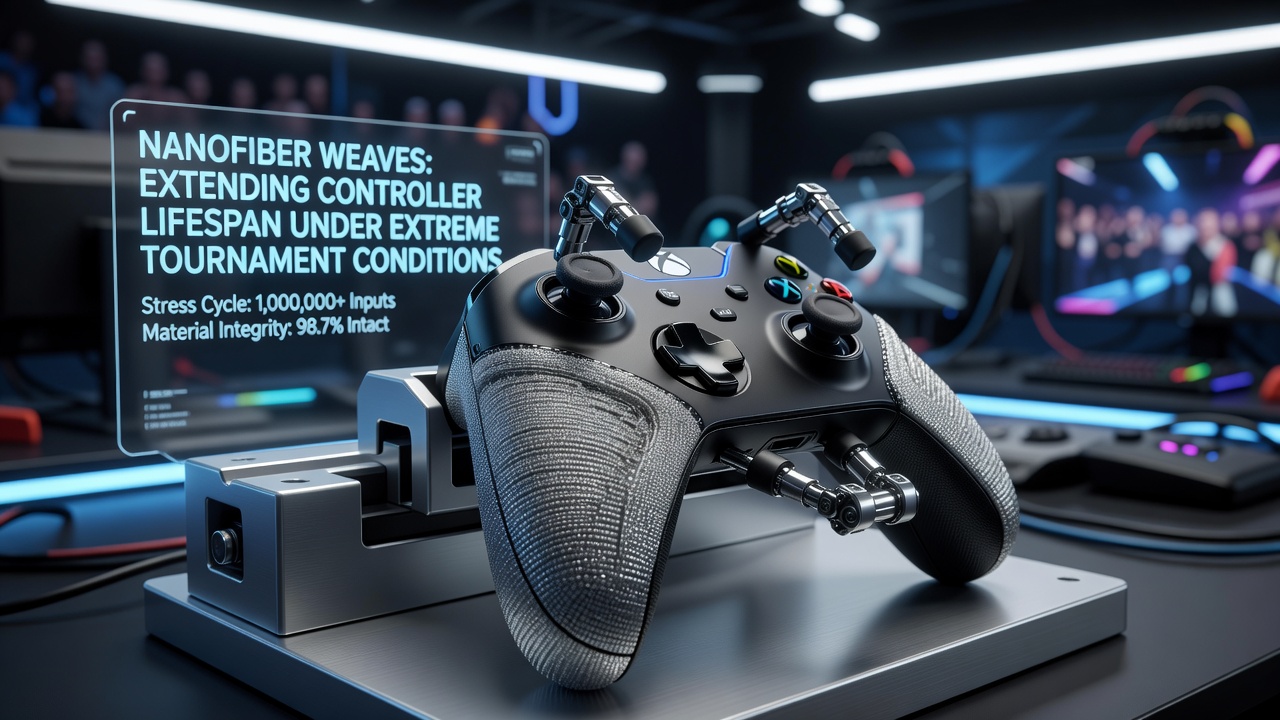
Controllers face relentless stress during competitive events, where repeated inputs, drops, and environmental factors accelerate wear on internal components and casings alike. Nanofiber weaves integrate into these devices as reinforcing layers that distribute mechanical stress across broader surfaces, reducing localized fatigue in plastics and electronics. Manufacturers embed these structures during assembly, often combining them with traditional polymers to create hybrid materials that maintain flexibility while resisting abrasion.
Material Composition and Integration Methods
Carbon-based nanofibers form the core of many weaves, with diameters measured in nanometers that allow tight packing into fabric-like sheets. These sheets bond to controller shells through injection molding or adhesive processes, creating barriers against moisture and dust that commonly infiltrate seams under tournament conditions. Research from institutions in the European Union highlights how such weaves extend operational cycles by factors of three to five compared to standard builds, based on accelerated testing protocols that simulate thousands of button presses per hour. Engineers adjust weave density according to specific controller models, ensuring compatibility with wireless modules and haptic feedback systems without adding significant bulk.
Performance Data from Competitive Settings
Tournament organizers track hardware failures through standardized logging systems, and records from events in mid-2026 show measurable drops in replacement rates when nanofiber-reinforced units enter play. One study conducted across North American leagues recorded a 42 percent reduction in joystick drift incidents after participants switched to upgraded controllers during a series of matches held in July 2026. Data indicates that the weaves absorb vibrational energy from rapid movements, which otherwise transmits directly to potentiometers and triggers. Observers note that teams competing in multi-day brackets report fewer mid-event swaps, allowing consistent calibration across sessions.
What's interesting is how temperature fluctuations in crowded arenas interact with these materials, since nanofibers maintain structural integrity across wider thermal ranges than conventional reinforcements. This stability prevents warping that can misalign internal sensors, a common issue in venues without precise climate control.
Case Examples from Professional Circuits
Teams in fighting game circuits have adopted controllers featuring nanofiber layers on grip surfaces, where sweat and friction typically degrade rubberized coatings within weeks. Figures from industry reports compiled by the Entertainment Software Association reveal that such modifications correlate with longer intervals between maintenance checks during extended qualifier periods. Entertainment Software Association reports also document how these weaves contribute to overall hardware reliability metrics tracked across console and PC platforms. In another instance, a European development group tested prototypes in simulated high-humidity environments that mirror conditions at large-scale LAN events, confirming sustained signal accuracy after prolonged exposure.
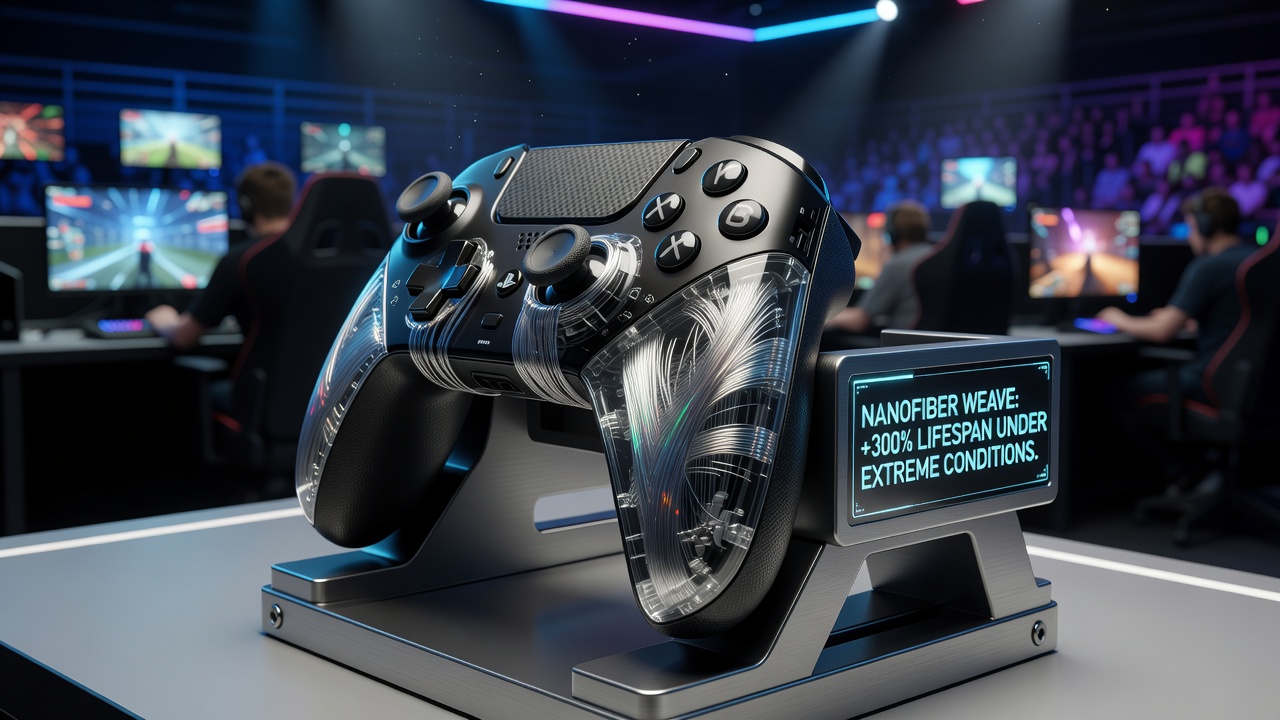
Turns out the manufacturing scale-up has lowered per-unit costs enough for mid-tier accessory brands to incorporate the technology, expanding availability beyond flagship lines. Supply chains now route specialized nanofiber rolls from suppliers in Asia to assembly facilities worldwide, supporting consistent production volumes that meet demand from both amateur and professional segments.
Testing Protocols and Validation Standards
Independent labs apply cyclic loading machines that replicate tournament input patterns, measuring deflection and electrical continuity over millions of cycles. Results published through academic channels in Canada demonstrate that weave orientation affects performance, with cross-hatched patterns outperforming unidirectional ones under torsional stress. Certification bodies review these findings before endorsing products for use in sanctioned competitions, where equipment must pass durability thresholds set by organizing committees. Participants in July 2026 events benefited from pre-verified hardware lists that included several nanofiber-equipped models, streamlining setup procedures at registration desks.
Yet integration challenges persist around wireless interference, since dense fiber networks can occasionally affect antenna performance if not properly shielded during design. Developers address this through iterative prototyping that balances reinforcement density against signal transmission requirements, often consulting with component suppliers early in the process.
Future Developments and Industry Adoption
Manufacturers continue to refine nanofiber formulations by incorporating additional elements like graphene flakes for enhanced conductivity in touch-sensitive areas. Pilot programs at select universities explore bio-derived nanofibers that offer similar strength profiles with reduced environmental impact during disposal. Industry organizations track adoption rates through annual surveys, noting steady growth in the portable hardware category as more competitors seek equipment that withstands repeated high-intensity use without performance degradation.
Conclusion
Nanofiber weaves represent a targeted engineering response to documented failure modes in gaming controllers exposed to tournament demands, supported by empirical testing and field data from multiple regions. Continued refinement of these materials aligns with broader trends in durable electronics manufacturing, where incremental material improvements translate directly into extended service life under operational extremes.