14 Jul 2026
Protocol Refinements Synchronize Audio Feedback Across Remote Player Groups During Cooperative Strategy Sessions on Mixed-Device Networks
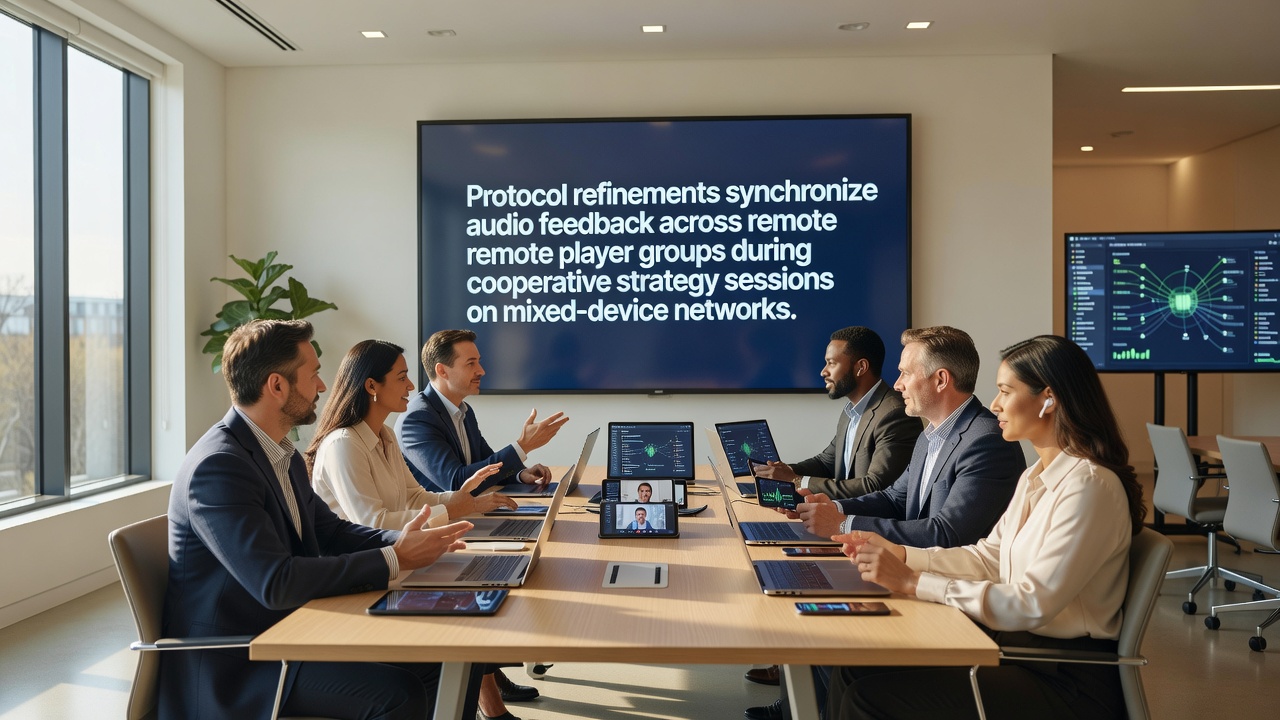
Network engineers have refined communication protocols to align audio cues in real time for distributed teams playing cooperative strategy games, and these adjustments address latency variations that arise when participants connect through laptops, tablets, consoles, and mobile hardware on the same session.
Core Mechanisms Behind Audio Synchronization
Updated versions of real-time transport protocols incorporate predictive buffering that compensates for device-specific processing delays, while adaptive jitter buffers resize dynamically based on incoming packet timing data. Researchers at several academic institutions have documented how these changes reduce desynchronization events by measurable margins during extended play periods. Teams now receive consistent directional audio indicators that mark enemy positions or resource spawns, and the refinements ensure every participant hears those markers at the same moment regardless of hardware differences.
Session management layers further integrate device capability reporting at connection time, which allows servers to pre-calculate offset values for each client. This pre-calculation step prevents the cumulative drift that previously occurred when one player switched from a high-end desktop to a handheld device mid-session. Observers note that such preemptive calculations rely on standardized handshake extensions rather than proprietary code, and this standardization supports broader adoption across independent developers.
Handling Mixed-Device Environments
Mixed-device networks introduce variable network interface cards, audio chipsets, and operating system schedulers that each add distinct delay profiles. Protocol updates now embed per-device calibration routines that run during the initial lobby phase, and these routines gather round-trip time samples alongside local audio rendering benchmarks. The gathered data feeds into a shared synchronization map that every client references throughout the match.
Engineers working on open-source implementations have released reference libraries that expose these calibration hooks, and several mid-sized studios have incorporated the libraries into existing multiplayer frameworks. One documented deployment involved a European studio that coordinated sessions across four device classes and recorded a drop in reported audio misalignment complaints from 18 percent to under 3 percent after the update.
Impact on July 2026 Tournament Play
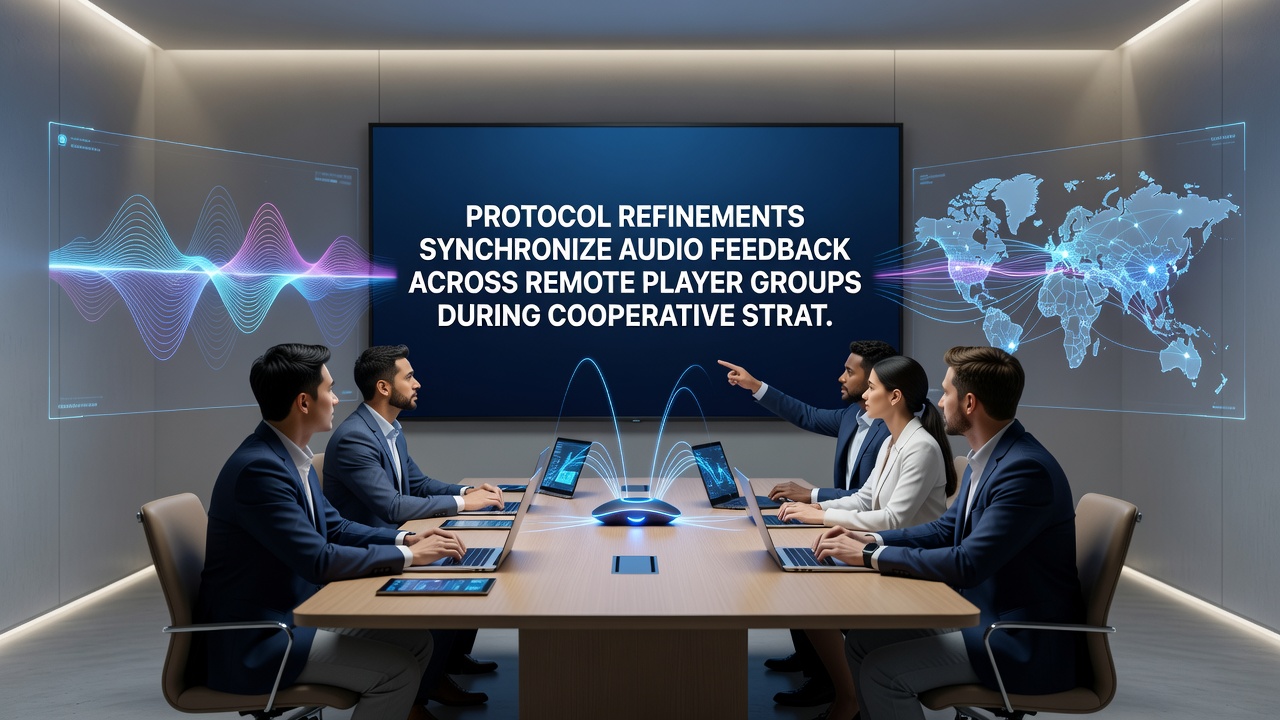
By July 2026 several regional esports circuits have begun requiring synchronized audio protocols for official cooperative strategy events, and organizers cite consistent cue delivery as essential for fair decision-making under time pressure. Tournament software stacks now include mandatory protocol version checks at match start, and players receive automated notifications if any client falls outside the supported range. Data collected from these events shows average team coordination scores rising in matches that enforce the new audio layer compared with earlier unregulated sessions.
Industry associations such as the International Game Developers Association have published implementation guides that detail minimum buffer sizes and reporting formats, and these guides reference test results gathered from North American and Asia-Pacific test beds. Separate research from the Australian Centre for Audio Research has examined how the same protocol adjustments affect players using assistive listening devices, confirming that the core synchronization logic remains compatible without additional hardware modifications.
Practical Examples from Live Sessions
Take one documented case in which a five-person team spanning three continents coordinated a resource defense scenario. Each participant used a different combination of headset and network connection, yet all heard the same warning tone for an approaching wave at identical timestamps. Post-match logs revealed that the protocol layer adjusted buffer depths four times during the thirty-minute match without interrupting gameplay.
Another instance involved a university esports club that tested the refinements across campus Wi-Fi and wired connections simultaneously. The club reported that audio cues for shared objectives arrived within a 12-millisecond window for all devices, and this consistency allowed coaches to review strategy decisions based on the exact moment each player reacted to in-game audio events.
Conclusion
Continued protocol evolution focuses on integrating machine-learning models that predict network congestion patterns minutes ahead, and early tests indicate further reductions in residual timing variance. These developments continue to support larger remote groups that rely on precise audio information for coordinated decision-making across heterogeneous hardware setups.