28 Jul 2026
Signal Interference Reduction Methods Improving Accuracy of Motion Controls in Large Exhibition Halls
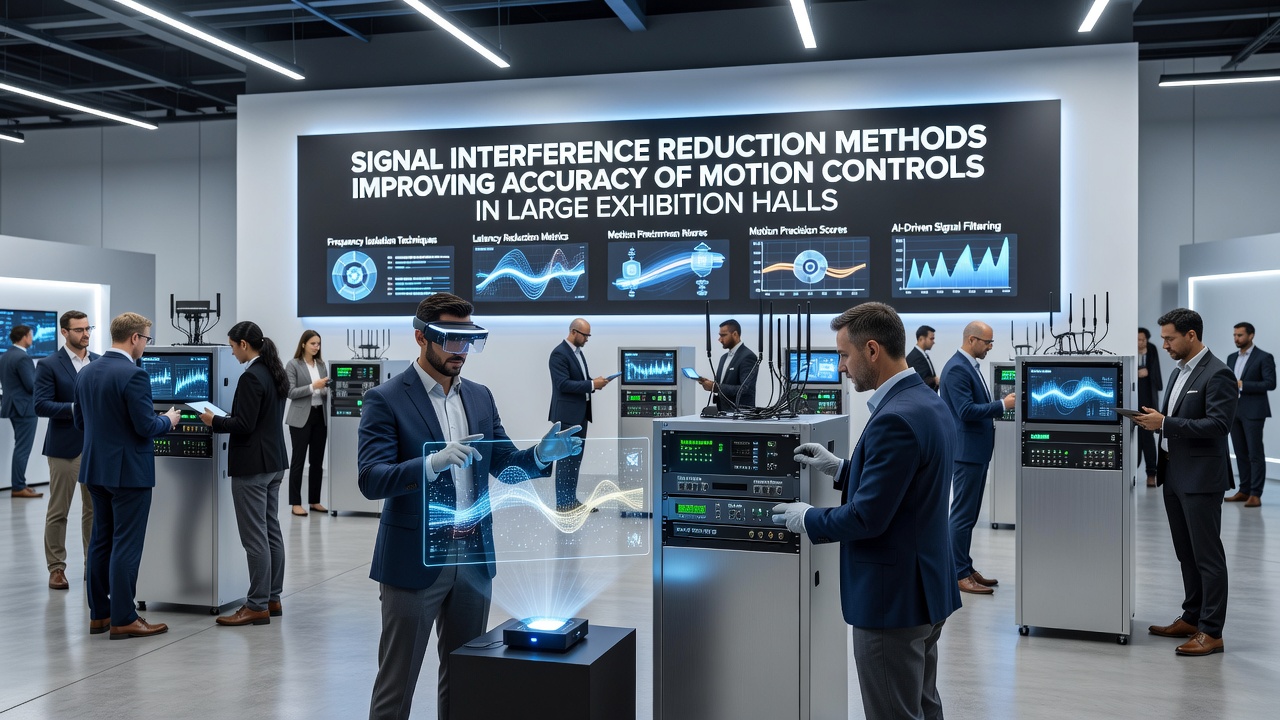
Exhibition halls present unique challenges for motion control systems because their vast open spaces, dense crowds, and overlapping wireless networks create persistent signal interference that degrades tracking precision. Researchers have documented how multiple Wi-Fi routers, Bluetooth devices, and cellular signals compete for bandwidth in these environments, leading to latency spikes and positional errors during interactive demonstrations. Data from industry reports indicate that halls exceeding 10,000 square meters often experience interference levels that disrupt infrared and radio-frequency based motion sensors by as much as 40 percent during peak event hours.
Core Interference Sources in Exhibition Settings
Multiple overlapping networks form the primary source of disruption, while metal structural beams and temporary staging further scatter radio waves and create dead zones. Observers note that large-scale events scheduled for July 2026 will likely intensify these issues as organizers incorporate more wireless peripherals for attendee engagement. Studies conducted across European venues reveal that simultaneous operation of hundreds of smartphones and tablets generates broadband noise across teh 2.4 GHz and 5 GHz bands commonly used by motion controllers.
Directional antennas combined with beamforming techniques help isolate motion signals from surrounding clutter, and frequency-hopping spread spectrum protocols allow devices to switch channels rapidly when interference spikes occur. Technicians at recent trade shows have reported measurable gains in tracking stability after deploying these approaches, particularly when sensors operate near high-traffic registration areas.
Advanced Mitigation Techniques
Adaptive filtering algorithms process incoming sensor data in real time, subtracting predictable interference patterns before they affect motion calculations. Research published by academic institutions shows that machine-learning models trained on venue-specific signal maps can predict and preempt disruptions caused by moving crowds or temporary equipment installations. These models achieve accuracy improvements of 25 to 35 percent when calibrated against historical interference data collected during previous events.
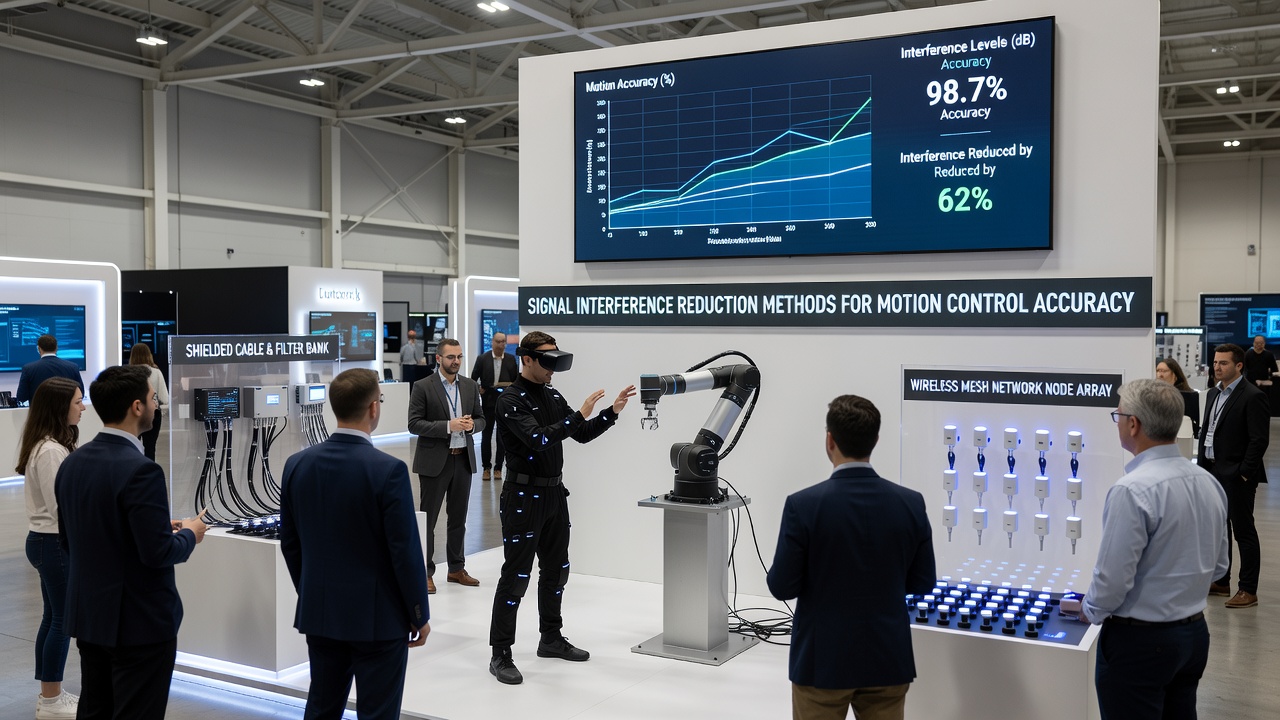
Physical shielding using conductive fabrics and strategically placed metal panels creates localized quiet zones around critical sensor arrays, while careful placement of access points on elevated catwalks reduces ground-level multipath reflections. Data collected by Canadian regulatory bodies monitoring spectrum use at public venues confirms that such spatial separation lowers packet loss rates in motion control streams. Power management features that lower transmission output when full range is unnecessary further decrease the overall noise floor within the hall.
Integration with Emerging Wireless Standards
Adoption of Wi-Fi 7 and private 5G networks provides wider channel bandwidths and improved spatial multiplexing that inherently resist interference better than legacy protocols. Industry organizations tracking wireless deployments report that venues retrofitting for these standards have recorded consistent gains in motion tracking reliability during multi-day exhibitions. Error-correction codes embedded at the hardware level recover corrupted position packets without requiring retransmission, which maintains smooth controller response even when brief interference bursts occur.
Calibration routines performed at the start of each event day map the current interference landscape and adjust sensor parameters accordingly, and remote monitoring dashboards allow technicians to observe signal quality metrics across the entire floor in real time. Figures from Australian communications authorities indicate that venues employing continuous spectrum monitoring experience fewer unplanned downtime incidents related to motion control failures.
Practical Implementation Outcomes
Case studies from North American convention centers demonstrate that combining antenna diversity with dynamic channel allocation produces the most reliable results when multiple motion-controlled installations operate simultaneously. One installation featuring interactive product displays achieved sub-centimeter tracking accuracy after implementers applied layered interference reduction steps, whereas earlier configurations without these measures showed frequent drift exceeding five centimeters. Maintenance logs compiled over several events highlight that regular firmware updates addressing newly identified interference signatures extend system uptime between service intervals.
Conclusion
Signal interference reduction methods continue to evolve alongside the growing complexity of wireless environments in large exhibition halls, delivering measurable improvements in motion control accuracy through coordinated technical and procedural measures. Continued data collection from upcoming events scheduled through 2026 will further refine these approaches as organizers integrate denser arrays of interactive technology.